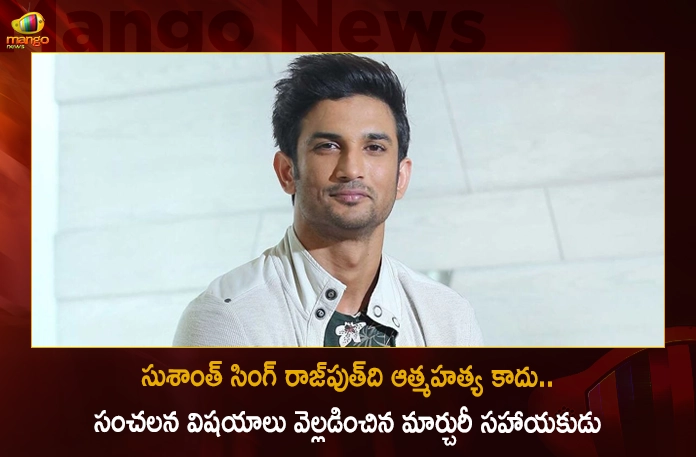
When a prominent Bollywood actor died by suicide in 2020, the nation grieved. But grief soon gave way to a media storm—filled with conspiracy theories, public finger-pointing, and invasive scrutiny of the actor’s personal life. One of the most persistent narratives centered on his girlfriend: was she involved? Did their relationship play a role in his mental state? For months, speculation ran rampant across news channels, social media, and digital forums.
Now, after extensive investigations, court proceedings, and testimonies from close associates, it has been definitively revealed that the girlfriend was not connected to the actor’s suicide.
This isn’t just a correction of misinformation—it’s a necessary step toward restoring dignity to both the deceased and the living.
The Origin of the Rumors
Within hours of the actor’s death, the internet erupted. Tabloids ran sensational headlines. Social media users dissected every public interaction between the actor and his girlfriend. Memes, edited clips, and doctored screenshots circulated widely.
The core assumption? That a romantic fallout triggered his final act.
This narrative gained traction because it was simple. It offered a cause: heartbreak. It assigned blame: the girlfriend. It turned a complex mental health crisis into a dramatic love story gone wrong.
But simplicity doesn’t equal truth.
Multiple investigative reports, including those by the Central Bureau of Investigation (CBI), found no evidence linking the girlfriend to any wrongdoing. In fact, those closest to the actor confirmed that their relationship, while at times strained, was not the catalyst for his deteriorating mental health.
“The idea that one person in someone’s life is solely responsible for their mental collapse is not only false—it’s dangerous,” said a Mumbai-based clinical psychologist who specializes in celebrity mental health.
What the Investigations Actually Found
The CBI’s final report, submitted after a year-long inquiry, dismantled several key conspiracy theories:
- No evidence of foul play was found.
- Forensic analysis of digital devices showed no signs of coercion or harassment.
- The actor had been privately battling depression and anxiety for years, with documented consultations and therapy sessions.
- His last messages and notes indicated internal struggles, not relationship-driven despair.
Crucially, the report explicitly stated that the girlfriend was not under suspicion—neither for abetment nor for emotional manipulation.
Despite this, public perception lagged. Influencers and TV anchors continued to imply guilt by association. Some even framed her as “emotionally unavailable” or “distracted by career ambitions,” suggesting these traits contributed to the tragedy.
These narratives, while emotionally charged, lacked factual basis. And they ignored a broader truth: mental health crises are rarely the result of a single trigger.
Why the Narrative Persisted
Rumors thrive in the absence of transparency. And in this case, several factors fueled the fire:
1. Lack of Immediate Mental Health Context In the days following the death, no official statements clarified the actor’s psychological state. Without this context, the public defaulted to visible factors—like his relationship.
Media outlets, competing for viewership, amplified unverified claims. The girlfriend became a convenient scapegoat.
2. Preexisting Industry Rivalries Some segments of the media tied the incident to larger debates about nepotism and elitism in Bollywood. The girlfriend, being from a film family, was painted as part of the “establishment” that allegedly marginalized outsiders.
This political framing further distorted the facts.
3. Digital Witch Hunts Anonymous social media accounts began doxxing and harassing the girlfriend. False timelines were created. Private messages were misrepresented. Even her fashion choices at public events were scrutinized for “signs of indifference.”
This digital mob mentality made it harder for rational discourse to take hold.
The Human Cost of Speculation
Behind the headlines was a real person—grieving, traumatized, and blindsided by loss. The girlfriend had no prior experience with public scrutiny of this magnitude. Yet overnight, she was vilified.
She was not just “the girlfriend.” She was someone who had supported the actor through therapy appointments, encouraged his creative projects, and stood by him during professional setbacks.
Multiple friends of the couple have since confirmed that she urged him to seek help and was actively involved in his wellness journey.
But none of that made headlines.
Instead, what went viral were baseless theories: that she cheated on him, that she withdrew affection, that she prioritized fame over love.
None of these claims were substantiated. None were part of any official investigation. Yet they shaped public opinion for years.
How Media Can Do Better
This case isn’t just about one actor or one relationship. It’s a case study in how media handles celebrity tragedy.
Too often, the focus shifts from understanding to assigning blame. The narrative becomes a spectacle, not a story of loss.
Ethical journalism requires restraint. It means:
- Avoiding speculative reporting.
- Respecting privacy during investigations.
- Centering mental health in discussions about suicide.
- Correcting misinformation proactively.
Some outlets have started adopting these practices. Others continue to prioritize ratings over responsibility.
The difference is clear: outlets that reported facts, not rumors, maintained credibility. Those that fueled speculation lost trust—and in some cases, faced legal action for defamation.
Lessons for the Public We, as consumers of media, also bear responsibility.
Every time we share an unverified claim, comment with judgment, or treat a tragedy as entertainment, we contribute to the problem.
Ask yourself before engaging:
- Is this confirmed by a reliable source?
- Am I reducing a complex situation to a stereotype?
- Could this harm someone who’s already hurting?
Simple awareness can prevent the spread of harmful narratives.

One viral tweet from a mental health advocate captured it well: > “Grieving in public doesn’t mean consent to be dissected. Leave space for pain to exist without explanation.”
The Bigger Picture: Mental Health in the Spotlight
The actor’s death sparked India’s most serious national conversation about mental health in the entertainment industry.
For decades, mental illness was stigmatized, ignored, or romanticized in Bollywood. Actors were expected to “tough it out.” Therapy was seen as a weakness.
Now, studios are hiring mental wellness coordinators. Production houses are offering counseling services. More stars are speaking openly about anxiety, depression, and burnout.
This shift didn’t happen because of speculation. It happened because people demanded change.
And at the heart of that change was the recognition that suicide is not a plot twist—it’s a public health issue.
Moving Forward with Compassion
It is now clear: the girlfriend was not connected to the actor’s suicide.
The investigations say so. The evidence confirms it. Those who knew them best affirm it.
But clarity doesn’t erase the damage done. The rumors caused real harm—emotional, professional, and reputational.
What we can do now is correct the record. Not with sensationalism, but with accountability.
If you shared a rumor, consider retracting it. If you believed a false narrative, acknowledge it. If you’re creating content about this case, cite credible sources.
And most importantly—treat real people in tragic situations with the dignity they deserve.
The story isn’t about who was to blame. It’s about who we choose to protect.
FAQ
Was the girlfriend ever arrested or charged? No. Multiple investigations by the Mumbai Police, CBI, and NCB found no evidence against her. She was never formally charged.
Did the actor leave a suicide note blaming her? No verified note has ever been made public that mentions her in a negative or accusatory way. Official reports confirm the available writings did not point fingers.
Why did the media focus on her so heavily? Sensationalism and pre-existing biases about relationships and mental health drove media attention. Her background in the film industry also made her a target in broader “nepotism” debates.
Have any media outlets apologized for false reporting? Some digital platforms issued corrections, but few have formally apologized. A few faced defamation notices, leading to content removal.
What has the girlfriend done since the incident? She has largely stayed out of the public eye, focusing on personal healing. She has occasionally supported mental health initiatives anonymously.
Is there any ongoing legal case related to the death? The CBI concluded its investigation with no charges related to abetment. Some unrelated financial probes were pursued but did not involve the girlfriend.
How can we support mental health awareness in Bollywood? Support policies for on-set counseling, normalize therapy in public discourse, and challenge stigmatizing narratives in media and entertainment.
FAQ
What should you look for in Girlfriend Not Linked to Bollywood Actor Rajput’s Death? Focus on relevance, practical value, and how well the solution matches real user intent.
Is Girlfriend Not Linked to Bollywood Actor Rajput’s Death suitable for beginners? That depends on the workflow, but a clear step-by-step approach usually makes it easier to start.
How do you compare options around Girlfriend Not Linked to Bollywood Actor Rajput’s Death? Compare features, trust signals, limitations, pricing, and ease of implementation.
What mistakes should you avoid? Avoid generic choices, weak validation, and decisions based only on marketing claims.
What is the next best step? Shortlist the most relevant options, validate them quickly, and refine from real-world results.