The polished, high-gloss image of pop girl groups often masks the personal cost behind the choreography. One former member of a group discovered and developed by Robin Antin—the creative force behind the Pussycat Dolls—has broken her silence on the intense pressure to perform in underwear-style costumes that left her feeling exposed, uncomfortable, and devalued.
This isn’t just about fashion—it’s about control, agency, and the long-standing tradition in pop music of trading female talent for titillation. Her testimony shines a light on a system where image often overshadows artistry, especially when young women are molded in the image of commercial success at any cost.
The Rise of the Pussycat Dolls Era
Robin Antin didn’t invent the idea of glamorous, choreographed female performance, but she mastered its modern commercialization. Beginning with a burlesque-inspired dance troupe in the 1990s, she evolved the Pussycat Dolls into a global pop phenomenon by the mid-2000s. With hits like “Don’t Cha” and “Buttons,” the group became synonymous with sex appeal, tight choreography, and provocative costumes.
But behind the glitter and chart success, the formula came with rigid expectations. Performers weren’t just singers or dancers—they were walking embodiments of a brand built on fantasy, often at the expense of individual comfort or creative input.
Antin’s model proved influential. She went on to launch or mentor several girl groups, capitalizing on the same visual and performance blueprint. Many young women, eager for a shot at stardom, entered these projects unaware of the compromises they’d be expected to make—especially regarding their appearance on stage.
A Voice From the Inside: The Former Singer’s Account
The artist, who wishes to remain partially anonymous due to ongoing industry ties, joined one of Antin’s post-Pussycat Dolls girl group initiatives after being scouted at a dance competition. What began as a dream opportunity quickly revealed its darker side.
“They told me this was the look,” she said in a recent interview. “That audiences expected it. That fans wanted to see us in lingerie-style outfits because that’s what ‘sold.’ I was 19. I didn’t know how to push back.”
She described rehearsals where costume fittings felt more like casting calls for a fashion shoot than preparations for a musical act. “We’d be told to ‘sell the fantasy’—hips forward, smile through it, no matter how little fabric you’re wearing. I remember one performance where my underwear started to slip, and instead of adjusting, the choreographer told me to keep dancing like nothing happened.”
For her, the issue wasn’t merely discomfort—it was the message being sent. “I worked hard on my vocals, my dancing, my stage presence. But no one talked about my singing. They talked about how I looked in a corset. That’s what I was reduced to.”
The Cult of the “Sexy” Girl Group Image
The Pussycat Dolls weren’t the first girl group to use sexuality as part of their brand—The Pointer Sisters, TLC, and even the Spice Girls experimented with bold styles. But Antin’s approach systematized the aesthetic, turning it into a repeatable, market-tested formula.
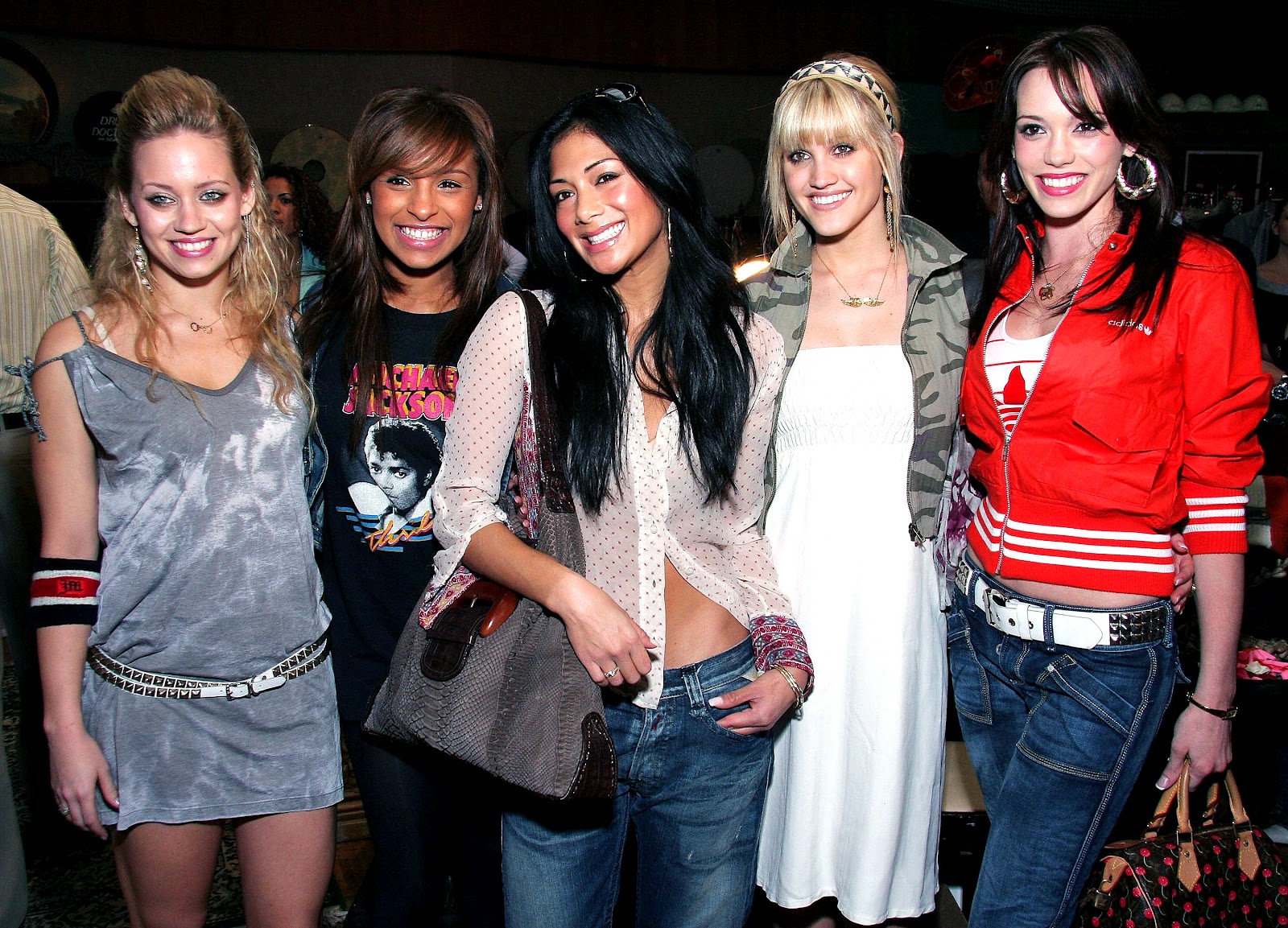
The result was a wave of girl groups in the 2000s and early 2010s that followed a similar mold: tight choreography, high heels, and costumes that bordered on underwear. This wasn’t accidental. It was part of a broader industry trend where female groups were often marketed on appearance rather than musical innovation.
Why Underwear-Style Costumes Became the Norm
- Visual branding consistency: A uniform, provocative look makes for strong visuals in music videos and live shows.
- Marketing appeal: Provocative imagery drives clicks, shares, and media attention, especially in male-dominated music industries.
- Historical precedent: From burlesque to girl groups like the Pussycat Dolls, the “sex sells” mantra has deep roots.
But as more former performers speak out, the cost of that appeal is becoming clearer. Many report body image issues, anxiety, and a sense of objectification that lingered long after their time in the spotlight.
Industry Pressure vs. Personal Boundaries
The former singer’s experience highlights a classic conflict: the gap between artistic direction and personal comfort. While costumes are part of performance, the line blurs when performers feel they have no say.
She described an environment where dissent was discouraged. “If you complained, you were labeled ‘difficult.’ They’d say, ‘Plenty of girls want this opportunity.’ It made you feel replaceable.”
This power imbalance is especially acute for young women entering the industry. With limited leverage and immense pressure to succeed, many accept conditions they’d otherwise reject.
Real-World Impact of Costume Pressure
- Mental health strain: Constant focus on body image can lead to anxiety, eating disorders, or low self-worth.
- Performance anxiety: Worrying about wardrobe malfunctions distracts from vocal and dance execution.
- Career limitations: Artists associated primarily with their looks may struggle to be taken seriously as musicians.
One telling moment for her came during a live TV appearance. “I had to wear a lace bodysuit with sheer panels. I kept thinking, ‘Is this really about the music?’ When we got off stage, the producers didn’t mention our vocals. They said, ‘Great energy,’ and winked. I knew what they meant.”
Changing the Narrative: Modern Girl Groups Take Control
In recent years, a shift has been underway. Newer girl groups—both in the U.S. and globally—are redefining what it means to be a female pop act. Groups like Little Mix, BLACKPINK, and FLO emphasize talent, fashion with agency, and messages of empowerment.
Unlike the older model, many of these groups have input into their image, choreography, and costumes. Some even co-write their music, adding authenticity to their performances.
Little Mix, for example, made headlines when they became the first girl group to win The X Factor UK—and later refused to perform in overly sexualized outfits. In interviews, members have spoken about the importance of feeling “comfortable and powerful” on stage.
This shift reflects broader cultural changes. Audiences are increasingly critical of exploitative practices, and social media gives artists a platform to speak directly to fans—bypassing traditional gatekeepers.
Can the Old Model Survive?
The Pussycat Dolls’ brand of glamour may still have nostalgia appeal—evident in their 2019 reunion tour—but it now faces scrutiny. The very elements that once drove their success are being questioned by a new generation of artists and fans.
Robin Antin has defended her approach, stating that the costumes were part of the group’s identity and that performers were adults who consented. But critics argue that consent in high-pressure, asymmetrical power dynamics isn’t truly free.
Moreover, the music industry’s evolution has changed what fans expect. Today’s audiences often demand authenticity, diversity, and respect—not just spectacle.
Where Do We Draw the Line?
It’s not about banning bold fashion. Performers should have the freedom to express themselves through style. The issue arises when choice is an illusion.
- Costumes should enhance performance, not define it.
- Artists deserve input in their image.
- Comfort and dignity shouldn’t be sacrificed for marketability.
As one industry stylist put it: “There’s a difference between empowerment and exploitation. One comes from within. The other is imposed.”
What the Industry Needs to Change For real progress, systemic changes are needed:
- Include performers in creative discussions – Costume design should involve the artists, not just stylists and executives.
- Establish clear boundaries – Contracts should outline expectations around attire and body exposure.
- Prioritize artist well-being – Mental health support and body-positive messaging should be standard.
- Celebrate talent first – Marketing should highlight vocals, songwriting, and stagecraft, not just looks.
- Hold creators accountable – When former artists speak out, their stories should be taken seriously, not dismissed as “part of the job.”
The former singer now mentors young performers, encouraging them to ask questions before signing contracts. “I tell them: ‘Know your worth. If they won’t let you wear pants on stage, ask why. And if they can’t give you a good answer, walk away.’”
Final Thoughts: Redefining the Girl Group Legacy
The story of the Pussycat Dolls and their stylistic successors is complex. It’s a tale of ambition, success, and the price of conformity. But as more artists break silence, the narrative is shifting.
Being a girl group singer shouldn’t mean surrendering autonomy. Talent, hard work, and artistry should be the foundation—not how little you can wear on stage.
The industry’s future lies not in replicating the past, but in learning from it. When performers are respected as full artists—not just props in a fantasy—the music becomes more authentic, the performances more powerful, and the legacy more enduring.
For any young woman considering a career in music: your voice matters more than your silhouette. Demand the space to be seen for all of who you are.
FAQ
Q: Who discovered the Pussycat Dolls? A: Robin Antin founded the Pussycat Dolls as a burlesque troupe in the 1990s and later developed them into a mainstream pop group.
Q: Why are the Pussycat Dolls known for their costumes? A: Their image was built on glamour and sexuality, often featuring lingerie-style outfits that became a signature part of their brand.
Q: Did any Pussycat Dolls members speak out about their costumes? A: Yes—members like Melody Thornton and Kaya Jones have publicly criticized the group’s emphasis on appearance over talent.
Q: Are modern girl groups still pressured to wear revealing clothes? A: Some still face pressure, but many now have more control over their image and are pushing back against outdated expectations.
Q: What can aspiring singers do to protect their boundaries? A: Research teams thoroughly, consult entertainment lawyers, and ensure contracts include creative input and respect for personal limits.
Q: Is it possible to be sexy and empowered on stage without feeling exploited? A: Yes—when the choice comes from the artist, not external pressure. Empowerment is about agency, not just appearance.
Q: How has social media changed the power dynamic for female performers? A: It allows artists to control their own narratives, build fanbases independently, and challenge exploitative practices directly.
FAQ
What should you look for in Girl Group Singer Slams Pussycat Dolls Creator Over Performance Attire? Focus on relevance, practical value, and how well the solution matches real user intent.
Is Girl Group Singer Slams Pussycat Dolls Creator Over Performance Attire suitable for beginners? That depends on the workflow, but a clear step-by-step approach usually makes it easier to start.
How do you compare options around Girl Group Singer Slams Pussycat Dolls Creator Over Performance Attire? Compare features, trust signals, limitations, pricing, and ease of implementation.
What mistakes should you avoid? Avoid generic choices, weak validation, and decisions based only on marketing claims.
What is the next best step? Shortlist the most relevant options, validate them quickly, and refine from real-world results.